
Dental Tourism · Cuenca, Ecuador
The trusted dentist for international patients in Cuenca, Ecuador.
Cuenca has become one of the most recognized dental tourism destinations in Latin America. A city that combines quality of life, safety and a medical offering that surprises first-time visitors. In this context, there is one clinic that stands out: not because of advertising, but because of results and the word of returning patients. For eight consecutive years, Cuenca’s expat community has chosen Dr. Grace Ordóñez as the best dentist at the GringoPost Awards, the annual distinction that Ecuador’s English-speaking community awards by direct vote.
Cuenca on the international dental map
What began over fourteen years ago as word-of-mouth referrals among expats has become a clinical model built for international patients. Implants, endodontics, periodontics, orthodontics, surgery and full oral rehabilitation — all in one place, under the same clinical standards, without referrals or wasted time. For those traveling on a tight schedule, that coordination is not a detail: it’s what makes the treatment possible.
Cultural Guide · Cuenca, Ecuador
The traditions lived in Cuenca.
A UNESCO Heritage City that celebrates its history year-round. Every season has its own character — and its own reason to visit.
Cuenca Carnival — February/March
Historic Center · Downtown streets
What is it?
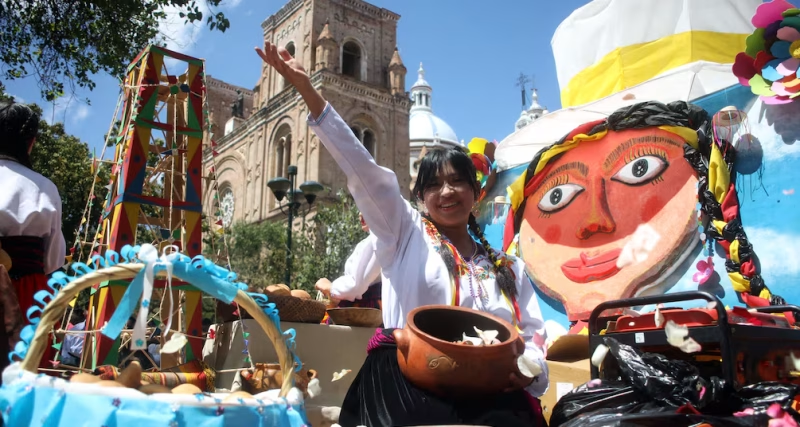
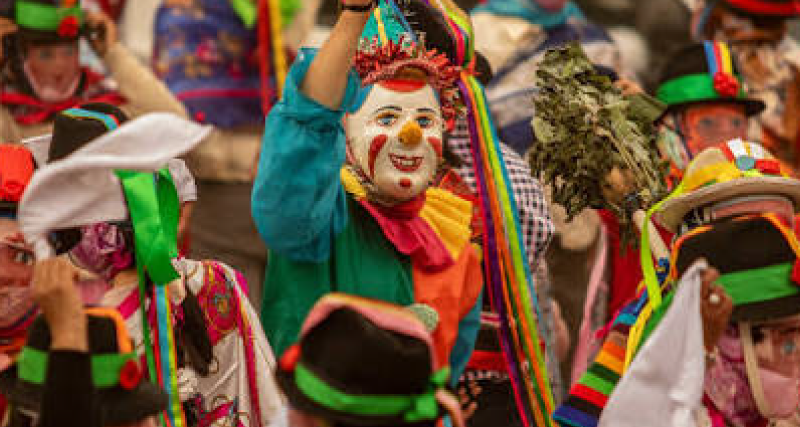
Ecuadorian Carnaval is a popular celebration of joy mixing colonial and indigenous traditions. In Cuenca it’s lived in the streets with water, foam, music and parades — an explosion of color and community before the start of Lent.
Since when has it been celebrated?
The Carnaval tradition arrived with Spanish colonization in the 16th century, merging with pre-Columbian Andean festive expressions. In Ecuador, the use of water as a central element is a distinctive characteristic that sets this celebration apart from others in Latin America.
Celebration details
During Carnaval days, the historic center streets fill with water and foam games between neighbors, families and tourists. Parades move through the main avenues with costumes, dances and live music. It is one of the most spontaneous and participatory dates of Cuenca’s festive calendar — ideal for those seeking to connect with local culture in an informal and joyful way.
El Cajas in Green Season
National Park El Cajas · ~35-40 min from the clinic
Why at this time?
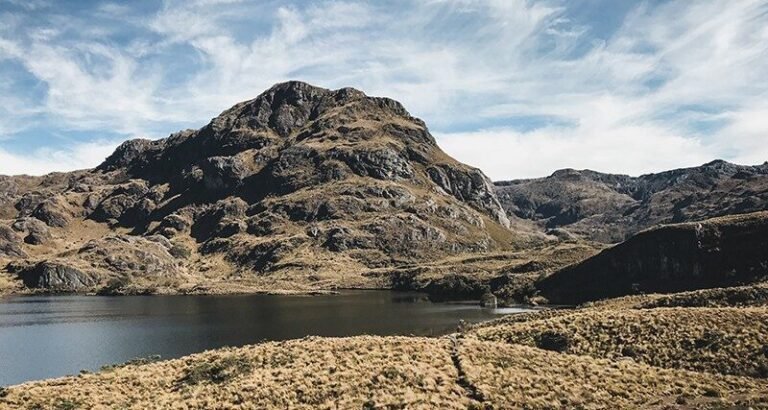
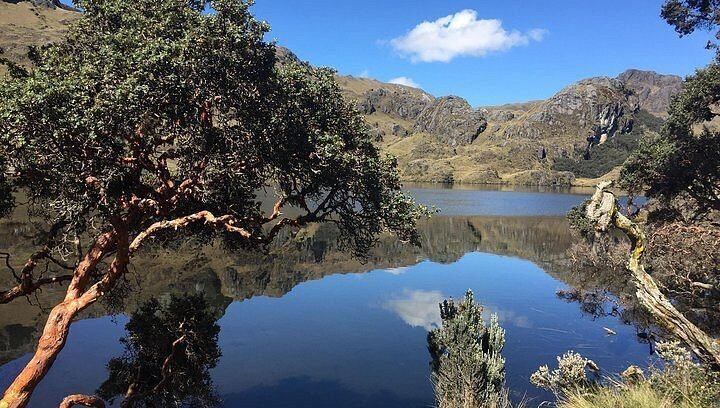
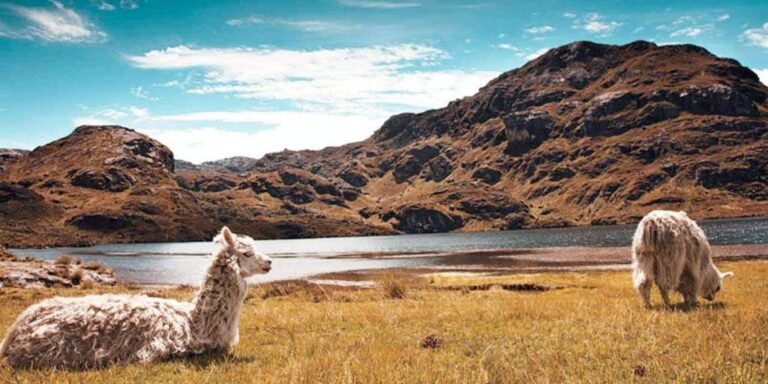
Between January and March, seasonal rains from southern Ecuador transform El Cajas National Park into a lush, vibrant landscape. Glacial lakes reflect the deep green surroundings, while biodiversity reaches its most visible peak — with endemic birds, frailejones, and wild orchids in full display.
What to expect
Moss-covered trails, drifting mist that moves gently between the lakes, and the profound silence of the páramo. An experience that contrasts completely with the chaos left behind — and the perfect setting for post-treatment recovery.
While the North Swelters,
Cuenca Celebrates.
18–22°C, sunny days, and two of the city's most important cultural celebrations come alive during this special season.
Inti Raymi (io. 21–24 junio) — The Festival of the Sun
San Francisco Square
· Archaeological Park Pumapungo · Historic Center
What is it?
Inti Raymi — «Festival of the Sun» in Quechua — is one of the four most important ancestral celebrations of the Andean world. Honra al Tayta Inti (Padre Sol) y a la Pachamama (Madre Tierra), celebrating the southern hemisphere winter solstice and the beginning of the Andean New Year.
Since when has it been celebrated?
Historians place its origin in the time of Inca Pachacútec, around 1430, as a celebration of gratitude for the harvest. However, similar festivities existed in the Andes long before the Inca Empire. It survived Spanish colonization as an act of cultural and spiritual resistance, merging with Catholic celebrations such as San Juan.
Celebration details en Cuenca
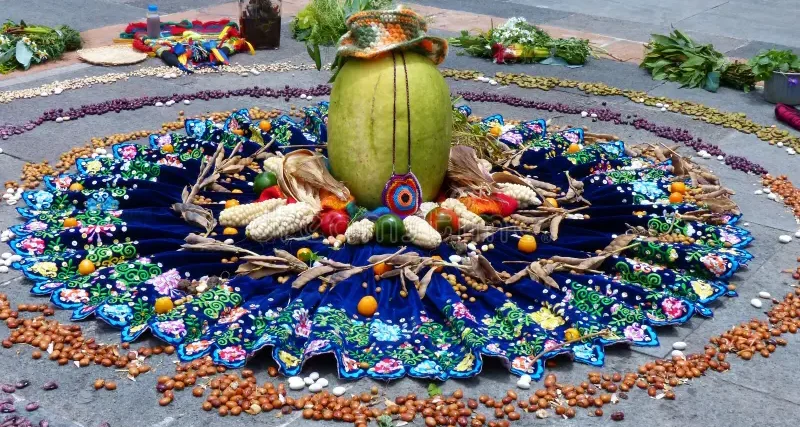
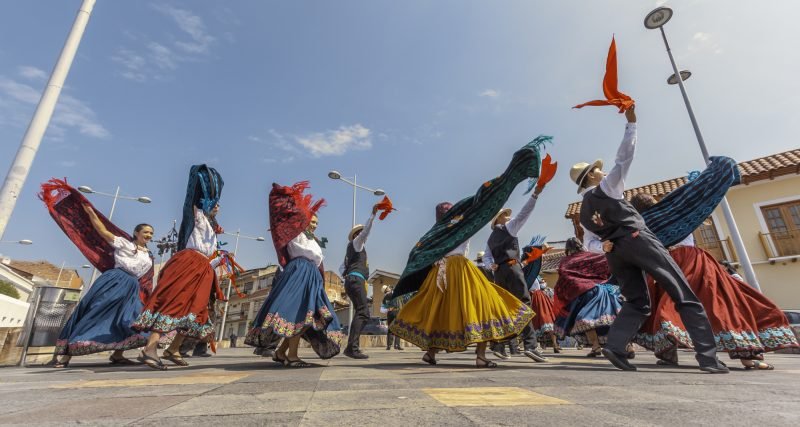
In Cuenca, Inti Raymi is celebrated with ancestral ceremonies at Plaza de San Francisco and the Pumapungo Archaeological Park. The program includes the ritual bath (Armay Chisi) of purification, pampamesas (community food offerings), traditional dances such as the Aya Uma, live Andean music, energy renewal rituals led by community elders and cultural exhibitions. One of the most authentic expressions of the Andean worldview that foreign visitors can witness.
Corpus Christi o «Septenario» — June
Abdón Calderón Park · Cathedral of the Immaculate Conception · Sucre, Benigno Malo, and Simón Bolívar Streets
What is it?
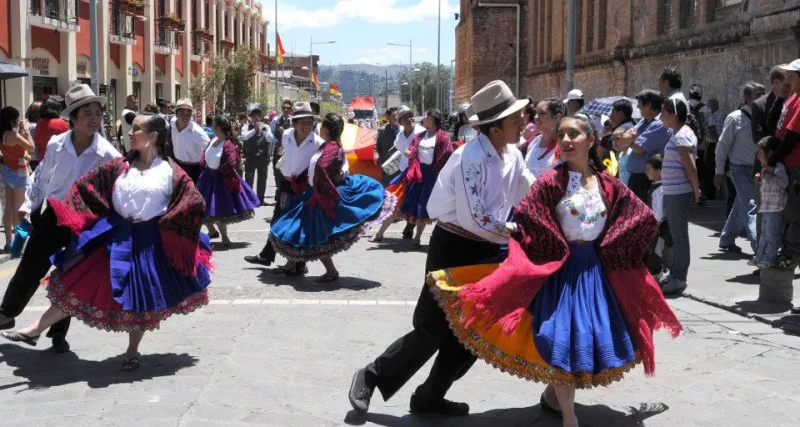
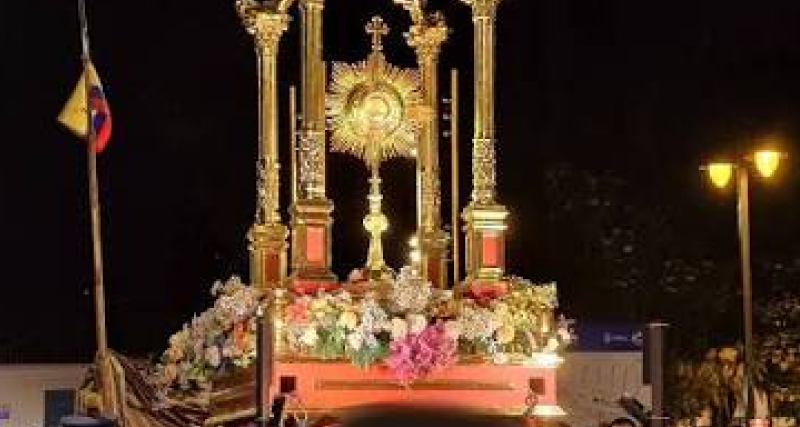
Cuenca’s Corpus Christi is one of Ecuador’s most colorful and rich celebrations. During seven consecutive days — the «Septenario» — the Historic Center transforms with religious processions, nightly firework towers, folk bands, traditional dances and the largest traditional sweets fair in the country.
Since when has it been celebrated?
Cuenca has celebrated Corpus Christi since 1557, the same year it was founded. Introduced by Spanish missionaries during the Colonial period, the festivity merged with Andean indigenous traditions creating a unique syncretism. Along with the Pase del Niño, it is the most important religious celebration of the city.
Celebration details
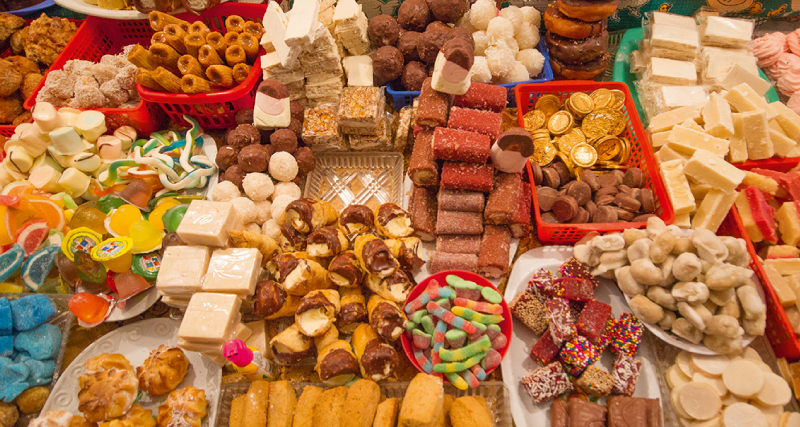
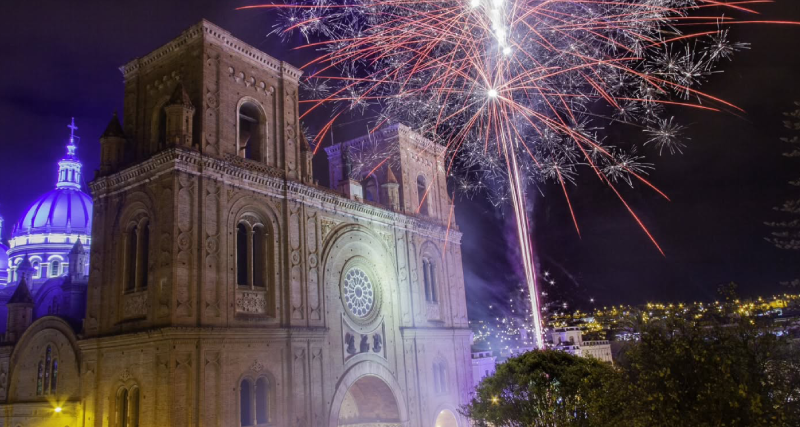
The heart of the festivities is the traditional sweets fair: over 120 candy artisans offer more than 60 varieties at stalls around Parque Calderón — Pucanahui, kuskinga, faldiqueras eggs, buñuelos, suspiros, monjas and dozens of snacks made with colonial recipes. Each night, firework towers light up the historic center skies. Processions carry the Sacred Host through the city’s churches. A celebration that blends faith, folklore, gastronomy and history into a unique week.
Ingapirca — Inca and Cañari Archaeological Complex
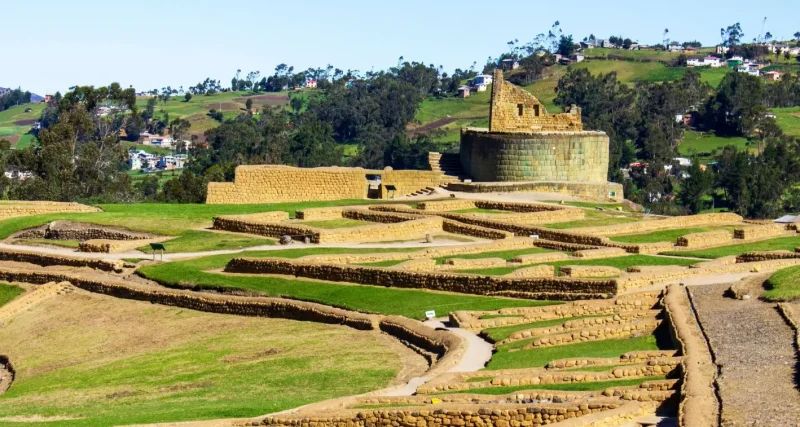
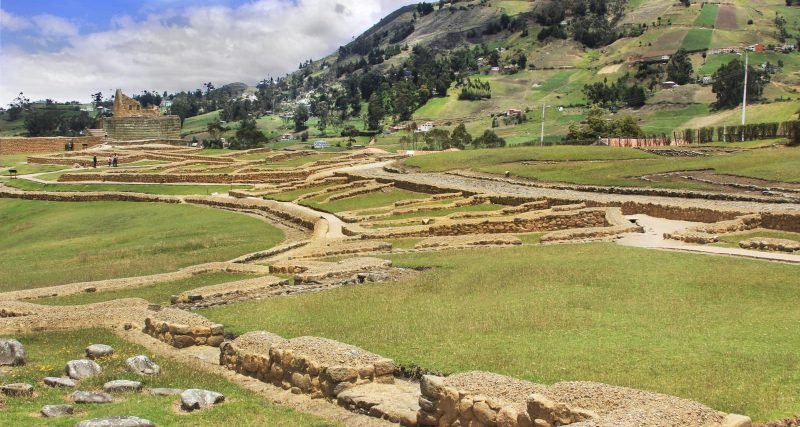
Cañar Canton · ~80 km north of Cuenca · ~1h 30min by car
What is it?
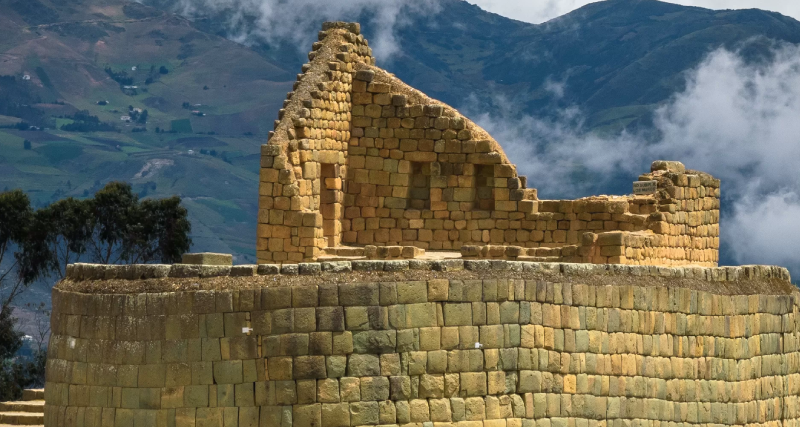
The most important Inca archaeological site in Ecuador. Ingapirca was a ceremonial and astronomical center built by the Cañari people and later expanded by the Incas under Huayna Cápac. Its centerpiece — the Castle of the Sun or «Ellipse» — is a solar temple unique in its oval shape throughout the Andean world.
Why visit in June
June is the best month: the solstice activates the temple’s solar alignments, and Inti Raymi is celebrated here with special solemnity. The rituals are organized by the Saraguro community — direct descendants of the Inca’s inner circle — making this the most authentic celebration in the country.
A vibrant celebration you don’t want to miss
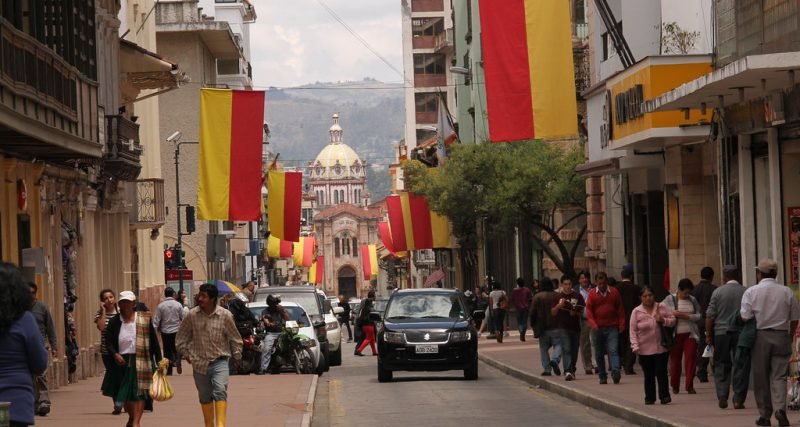
Cuenca comes alive with independence festivities, offering days filled with culture, music and tradition — all while enjoying better flight deals and a perfect balance between treatment and experience.
Independencia de Cuenca — 3 de noviembre
Calderón Park · Historic Center · The whole city
What is it?
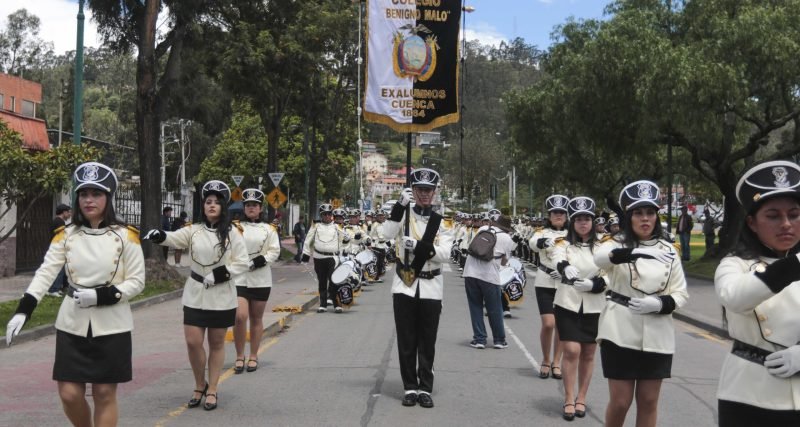
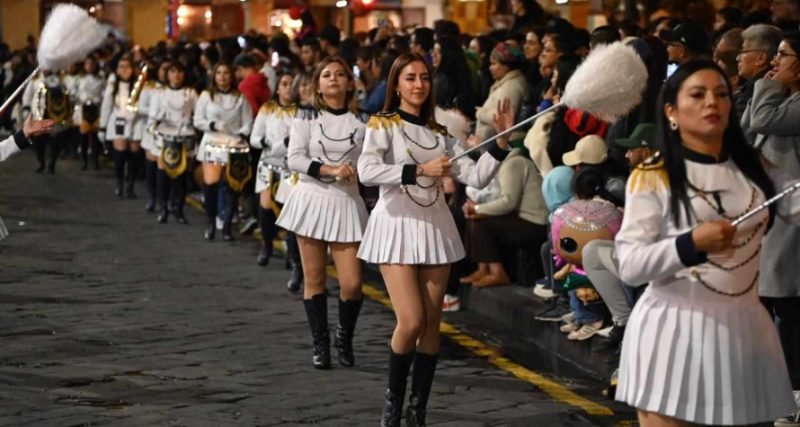
November 3rd is Cuenca’s most important civic holiday — a national holiday in Ecuador. The city commemorates its independence from the Spanish monarchy with parades, concerts, food fairs, cultural events and fireworks shows. Thousands of visitors from across the country and abroad come to the city.
History
On November 3, 1820, a group of young patriots led by Tomás Ordóñez and José Sevilla proclaimed Cuenca’s independence from the Spanish Crown. Final emancipation came on February 21, 1822, when General Antonio José de Sucre’s forces liberated the city after the Battle of Pichincha. Today that first act is celebrated as the beginning of Cuenca’s freedom.
Celebration details
The festivities agenda runs from October 22nd to December 5th, with its main events on November 3rd. Civic and military parades through the Historic Center, free concerts in public spaces, crafts and food fairs, cultural exhibitions and nightly fireworks shows. Hotels and restaurants throughout the city prepare special offers. A celebration that showcases the best of Cuenca — its art, its people, its food and its warm hospitality.
Day of the Dead — November 2
Historic cemeteries · Downtown squares · Traditional markets.
What is it?
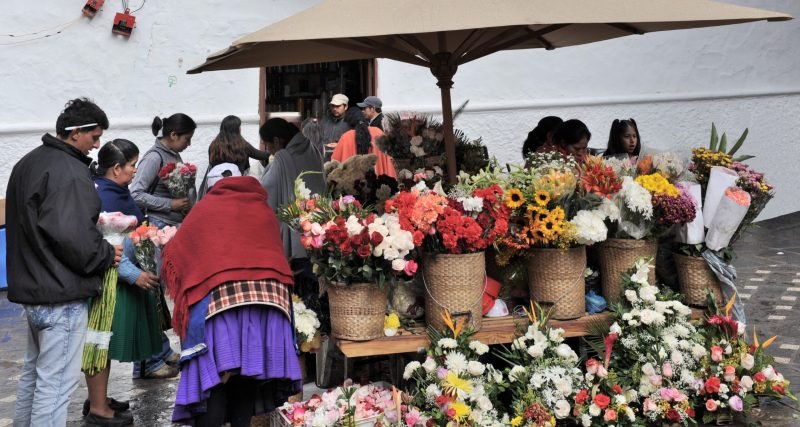
One of Ecuador’s most moving and visually unique traditions. Cuenca families bring flowers, food and candles to cemeteries to honor their departed, while the squares fill with vendors of colada morada — an ancestral black corn drink with fruits — and guaguas de pan, human-shaped breads made especially for this date.
Experience for visitors
For foreign visitors, Day of the Dead in Cuenca is a unique cultural experience: the blend of mourning and celebration, the colorful flower-filled cemeteries, the aroma of colada morada and the spiritual depth of a tradition that connects the Andean and Catholic worlds. An intimate and authentic moment of Cuenca culture.
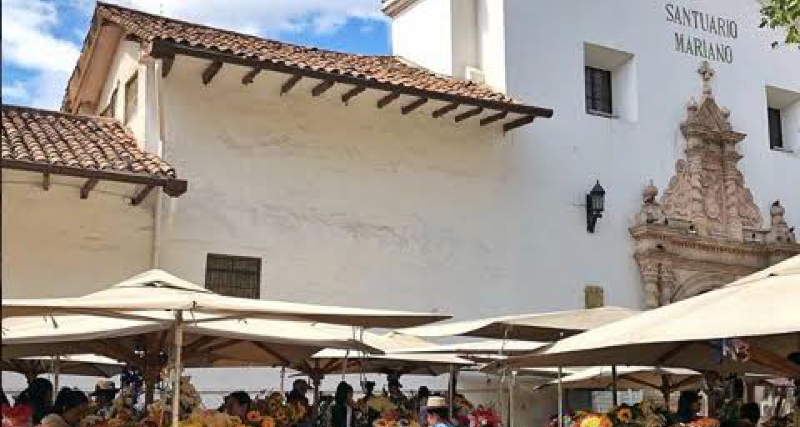
Toquilla Straw Hat Festival — November
Homero Ortega (12 min from clinic) · Old Cathedral · Historic Center
What is it?
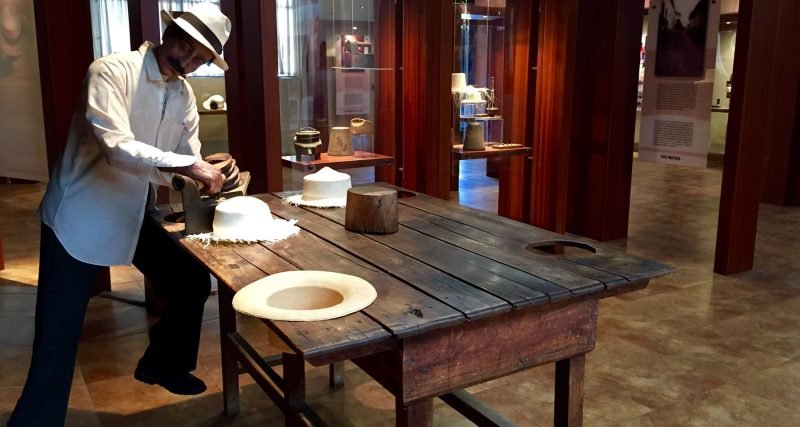
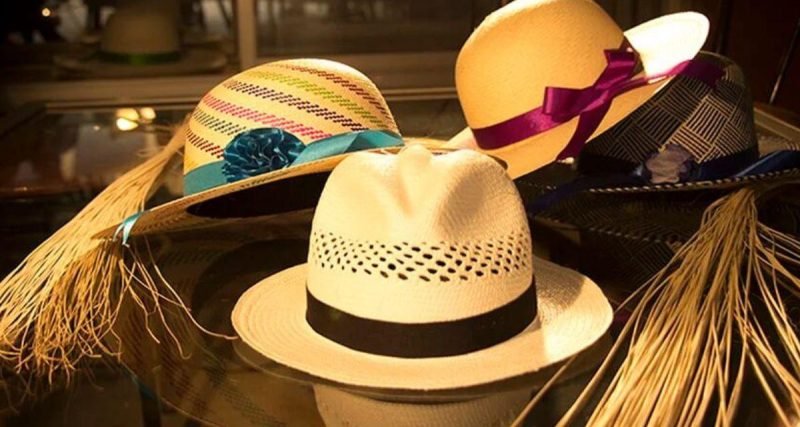
The toquilla straw hat — known worldwide as the «Panama Hat» — is actually an Ecuadorian craft declared an Intangible Heritage of Humanity by UNESCO in 2012. Cuenca is the main production and export center for these hats, with century-old factories like Homero Ortega just steps from the clinic.
Experience for visitors
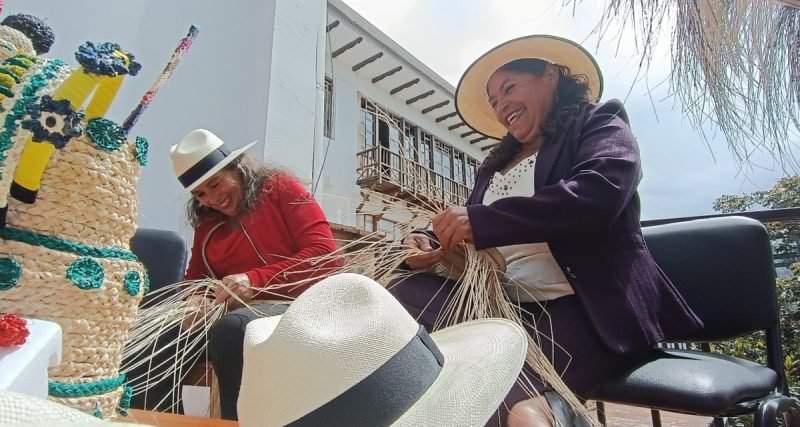
During the festival, artisans demonstrate the complete weaving process — which can take days or weeks for the finest models. Exhibitions, direct sales and workshop visits. The Homero Ortega factory (12 minutes walk from the clinic) operates as a museum and store year-round.
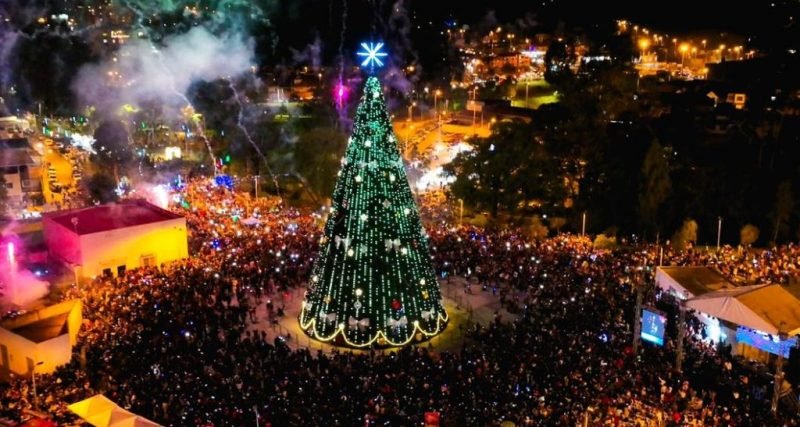
Where Christmas feels truly magical
Mild weather, glowing streets and a festive atmosphere that transforms the city into something unforgettable — the perfect escape while others face winter.
Procession of the Traveling Child Jesus — December 24
Ordóñez Lasso Ave. and Simón Bolívar St., Historic Center · From 10:00 AM to ~3:00 PM
What is it?
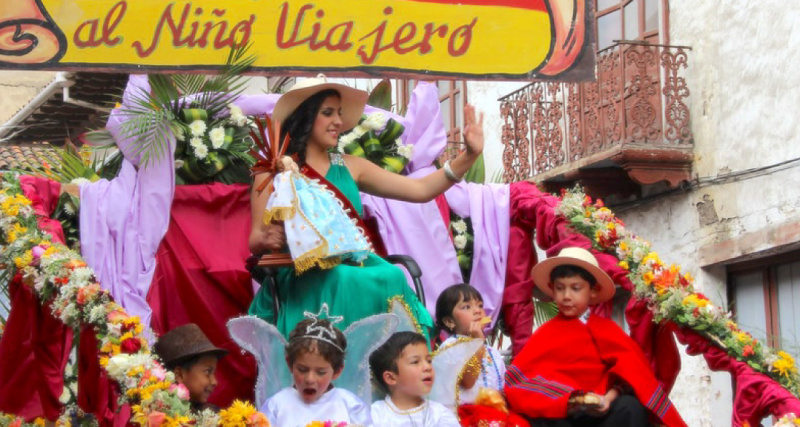
The largest Christmas parade in Ecuador and one of the most colorful in Latin America. Every December 24th, tens of thousands of people walk through the historic center in a celebration that lasts all day — entire families, indigenous communities, institutions and musicians that turn Calle Bolívar into a human river of devotion and joy.
History
In 1961, Bishop Miguel Cordero Crespo took the image of the Christ Child from the Carmelite convent to the Holy Land, where Pope John XXIII blessed it. Upon his return, the people called it the «Traveling Child.» Since then, every December 24th, the procession has traveled through the city without interruption — over 60 years of unbroken tradition.
What you’ll see — an unforgettable experience
Floats decorated with nativity scenes, popular bands playing Andean carols, children dressed as angels, shepherds, gypsies, Saraguros in traditional dress and Otavalos. Mayorales on horseback in embroidered costumes. The aroma of canelazo and chicha filling the streets. If there is one event to see in Cuenca, this is it.
New Year’s Eve — The Night of the Effigies · December 31
Streets and neighborhoods throughout Cuenca · Calderón Park · From 10:00 PM
What is it?
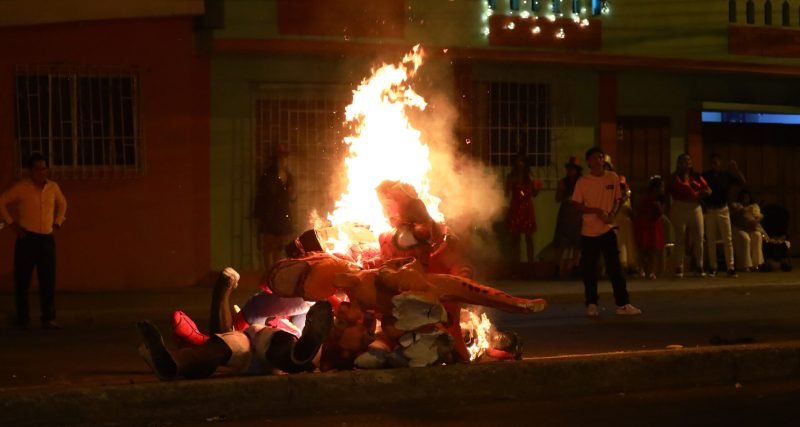
In Ecuador, New Year’s isn’t welcomed — it’s burned. Every December 31st, Cuenca’s streets fill with «monigotes»: paper, cardboard and fabric dolls representing what was left behind — politicians, figures of the year, even personal fears. At midnight, fire consumes them. It is collective catharsis turned into celebration.
Most interesting for visitors
Neighborhoods compete for weeks to create the most creative, elaborate and humorous effigies. In Cuenca, the tradition has a particularly artistic character. You’ll find recreations of global events and local satires with surprising inventiveness. The atmosphere in the historic center — with music, fireworks and the warmth of the bonfires — is one of the most unique spectacles in Latin America.