
Looking for an English-Speaking Dentist in Cuenca, Ecuador? Read This Before You Buy Your Plane Ticket
An honest guide for U.S. and Canadian expats considering dental treatment in Cuenca
By: Priscila Mendez
Reviewed by Dr. Grace Ordóñez · Last reviewed: September 2026
When Matthew (Matt, as Katy calls him) came home from the dentist in Alberta, Canada, he was in shock.
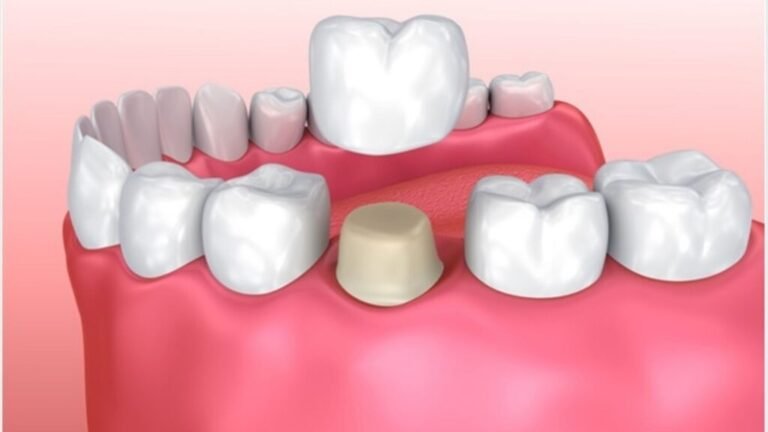
He needed three crowns replaced and two implants placed.
Okay, fine… that was something they’d have to deal with.
The real problem came when they heard how much it would cost.
The quote was simply out of reach for them at the time.
A close friend suggested they look into Cuenca, Ecuador. She’d had a great dental experience there 2 years earlier.
So Katy was put in charge of finding a good English-speaking dentist in Cuenca, Ecuador.
Wonderful!
She had never researched dental treatment outside her own country.
She spent the rest of that week glued to Google and to every Facebook group for North Americans living in Cuenca.
But she wasn’t just looking for the price of a crown.
She wanted to know something much more important:
How do you find a good English-speaking dentist in Cuenca, and how do you avoid problems before, during, and after treatment?
The more she researched, the more questions she wrote down. By the end of that week, Katy had her own list: the questions she wanted to ask any dentist before buying the plane tickets.
This article is based on that list, along with recommendations from Dr. Grace Ordóñez, drawing on more than 30 years of treating patients.
In this article:
- Before You Travel to Ecuador for Dental Treatment
- How to Choose a Good English-Speaking Dentist in Cuenca
- Don’t Just Ask How Much It Costs
- Warranties, and What Happens If Something Goes Wrong After You Get Home
- How Long You Need to Stay in Cuenca
- Red Flags When Looking for a Dentist in Ecuador
Before You Travel to Ecuador for Dental Treatment
The first thing to do, even before you start looking at flights, is talk to your current dentist.
Don’t buy your plane ticket yet.
First, ask for as much information as possible about your dental situation.
Ask your dentist for:
- Recent X-rays.
- A panoramic X-ray, if they have one.
- A CBCT scan, if applicable.
- Diagnoses.
- Allergy information.
- Information about any existing implants.
Then send all of this to the clinic you’re considering in Cuenca. Before you buy the ticket.
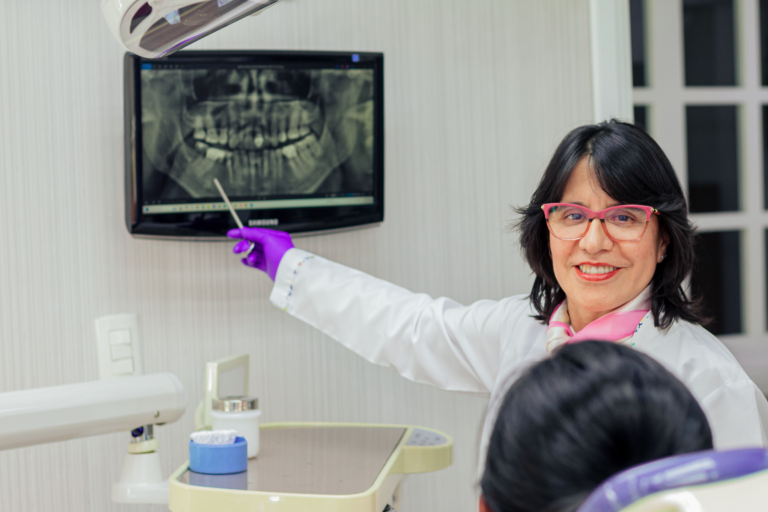
That way, the dentist can review your case and tell you whether they can treat it, what treatment they think you need, and roughly how much time you might need.
That can save you a very unpleasant surprise after you arrive.
How Do You Choose a Good English-Speaking Dentist in Cuenca?
This is where the real research begins.
You’ll find lots of clinics, lots of reviews, and lots of before-and-after photos.
But a strong online presence doesn’t necessarily answer the important questions.
Before choosing a dentist in Ecuador, ask:
- Do you speak English fluently?
- What is your specialty?
- How many years have you been doing this procedure?
- Where did you train? Is your degree registered with SENESCYT, Ecuador’s official registry of professional degrees?
- Do you have experience with patients from the U.S. or Canada?
And depending on the treatment, also ask who will be doing each part of the procedure.
Don’t assume that the dentist who does the initial evaluation will necessarily be the one who performs the entire treatment.
Ask.
Don’t Just Ask How Much It Costs
When you start looking into dental treatment in Ecuador, it’s very easy to get stuck on prices.
How much is a crown? How much is an implant? How much is a full-mouth restoration?
But the most important question isn’t just “How much does it cost?” It’s “What exactly does that price include?”
Before accepting a quote, ask:
- Does it include X-rays?
- Does it include anesthesia?
- Does it include crowns or temporaries?
- Does it include lab fees and materials?
- Does it include follow-up visits?
- What happens if I need an additional procedure?
Two quotes can look very different until you find out exactly what each one includes.
So compare treatments, not just prices.
Warranties, and What Happens If Something Goes Wrong After You Get Home
This is one of the biggest concerns for patients coming from abroad.
While you’re in Cuenca, it’s easy to go back to the clinic. But what happens once you’re back in the U.S. or Canada?
Before starting any major treatment, ask:
- Who stands behind the treatment, and how you can reach the clinic from back home.
- What happens if a crown breaks, an infection develops, or an implant has complications.
- Whether there’s a warranty, what exactly it covers, for how long, and what situations are excluded.
- What specifically happens if the problem shows up after you get home.
- What documentation you should keep (and ask for the warranty terms in writing, if possible).
Asking these questions doesn’t mean you expect something to go wrong.
It simply means it’s better to know before you travel than after you get home.
How Long You Need to Stay in Cuenca
This question is especially important if you’re traveling from the U.S. or Canada. Coming for a simple treatment is very different from coming for implants or a full-mouth restoration.
To allow for proper follow-up, Dr. Grace recommends planning the following length of stay in Cuenca. These timeframes include any tests your treatment may require, such as X-rays and blood work.
- Dental implants: plan to stay 18 to 20 days for the first phase, which includes any necessary tests, implant placement, and suture removal. A second trip of about 1 week is needed at least 6 months later to place the final crown, once the implant has healed.
- Bone grafts: plan to stay 18 to 20 days, including any necessary tests, the procedure, and suture removal.
- Gum grafts: plan to stay 18 to 20 days, including any necessary tests, the procedure, and suture removal.
- Dental crowns: for 1 to 5 crowns, allow about 5 business days.
- Dental bridges: for bridges of 3 or more units, allow about 8 business days.
Timeframes may vary depending on each patient’s needs and the complexity of the treatment. After your evaluation, Dr. Grace will give you a personalized schedule and let you know which tests you’ll need.
Don’t plan your trip based only on the number of days someone tells you it “usually” takes. Your case may be different.
Red Flags When Looking for a Dentist in Ecuador
These are some situations that should make you stop and think before booking:
- They offer you major treatment without a proper evaluation, or don’t explain your alternatives.
- They won’t tell you what materials they use.
- They pressure you to book right away, or promise guaranteed results.
- They tell you a full-mouth restoration will be done “in just a few days” without explaining the risks.
- There’s no follow-up plan, or you can’t get in touch with the dentist.
- They don’t explain what happens if a complication comes up.
A red flag doesn’t automatically mean a clinic is bad.
But it does mean: stop and ask more questions.
So, Is It Worth Coming to Cuenca for Dental Treatment?
After all her searching, Katy realized that wasn’t really the first question she should have been asking.
The first question was: How can I make a good decision?
Ecuador can be an option many people consider when looking for dental care outside the U.S. or Canada, but price alone shouldn’t be the deciding factor when choosing a dentist.
In the end, Katy followed her list step by step. She sent Matt’s X-rays ahead of time and compared three clinics, not just their prices. They chose Dr. Grace Ordóñez’s practice because she was the only one who reviewed his case before they traveled. She also speaks English fluently, so they could understand every detail without relying on a translator. She gave them a written quote showing where every dollar was going, explained that every patient is different, and told them clearly what would happen if any problem came up once they were back home.
That, more than the price, is what gave them the peace of mind to buy their plane tickets.
“We didn’t choose the cheapest dentist. We chose the one who answered all our questions before we ever got on the plane.” Katy, Alberta, Canada
Katy and Matt each received a complimentary teeth whitening for sharing their experience.
Her search started as a way to find an English-speaking dentist who could help with three crowns and two implants.
But it ended up teaching her something much more important:
When you’re looking for medical care outside your own country, trust and information matter just as much as price.
It’s not just about finding “the cheapest one.”
It’s about knowing who you’re choosing, what you’re paying for, and what to expect afterward.
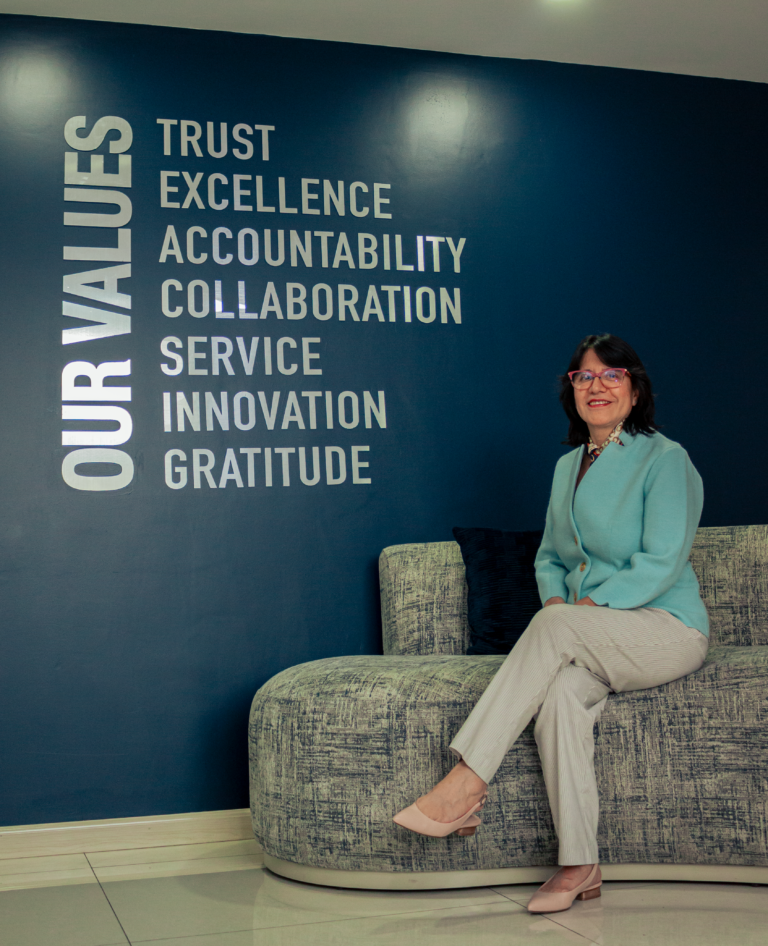
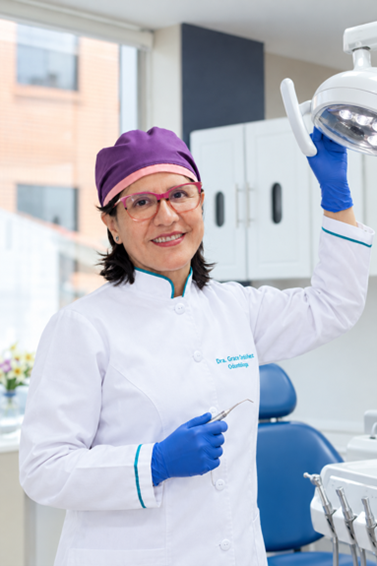
About Dr. Grace Ordóñez
Speaks English fluently and no intermediaries or translators.
Dental school: University of Cuenca (graduated 1995)
Years in practice: more than 30 years
SENESCYT registration number: 1007-02-179139
Degree: Doctor of Dentistry
Ready to Take the Next Step?
“Tell us about your case. Dr. Grace will review it before you buy your plane ticket.”
WhatsApp +593 99 616 9760, or email description of your case to consultorio@drgraceordonez.com.